

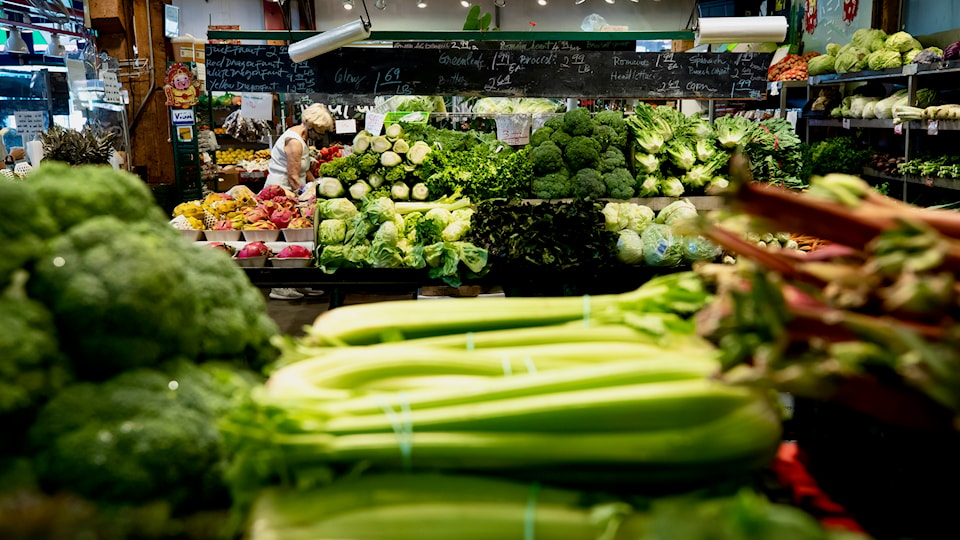
A city councillor from Toronto is proposing a pilot project where the city would open municipally operated grocery stores to help lower the cost of food and improve access to affordable food.
Anthony Perruzza, city councillor for Humber River Black Creek will introduce a motion before Toronto city council on March 25 calling for four city-run grocery stores across the city with one in each council district. This aims to address growing issues with food affordability especially in areas where people have limited access to proper grocery stores.
This pilot project would prioritize neighbourhoods with lower incomes and areas referred to as food deserts. The stores would be not for profit with a goal of getting residents the lowest possible prices. The motion also touches on other financial aids for residents like waiving property taxes and development charges.
“Food is too expensive and has gotten to be too expensive for most people,” Perruzza said. “This is an idea which seeks a lower food cost for folks.”
Rising food costs have been a growing issue and concern across Canada for many years now. Research suggests that food costs have been on the rise but grocery chains are doubling their profits.
“There are lots of profits are being generated from the food system,” says Andrew Spring, Assistant Professor in Geography and Environmental Studies at Wilfrid Laurier University and Director of Laurier Centre for Sustainable Food Systems. “Having city run stores certainly is a way of kind of shifting where the profits go and running things different, so it’s not profit focused.”
A report from the Canadian Centre for Policy Alternatives about how public grocers would work in Canada says that this may be because of the structure of Canada’s grocery market which is 80 per cent controlled by large chains.
“The handful of grocers that really control the grocery market and the price of foods,” said Perruzza. “They make billions of dollars’ worth of profits, let’s put that profit back into lowering the cost of food for people.”
Experts say that publicly operated grocers exist in other jurisdictions and could help with the rising cost of food.
“I think there’s no other alternative right now that people are talking about,” Enza Gucciardi, a professor at Toronto Metropolitan University’s school of nutrition said. “Why not, it provides more competition to other grocery chains in the city.”
An example is the U.S. Military commissary system that has 235 markets on military bases across the world offering discounted groceries to members and their families. A public grocery system could save consumers approximately 30 to 45 per cent on their grocery bills.
However, some smaller public grocers have struggles in the past. Several states saw public grocery stores close within a matter of years facing issues competing with more popular competitors.
“We can learn from other government run institutions like the LCBO,” said Gucciardi. “It’s a hub for alcohol now to various outlets in the province.”
Public grocers can also help bring strength to local food systems guaranteeing contracts for suppliers and creating jobs in the industry. But some say that grocery stores alone cannot solve food insecurity issues.
“This is pretty much an everywhere thing because we’ve seen food insecurity kind of goes through the roof in all sorts of different communities, so we have to start doing things differently,” Spring said.


